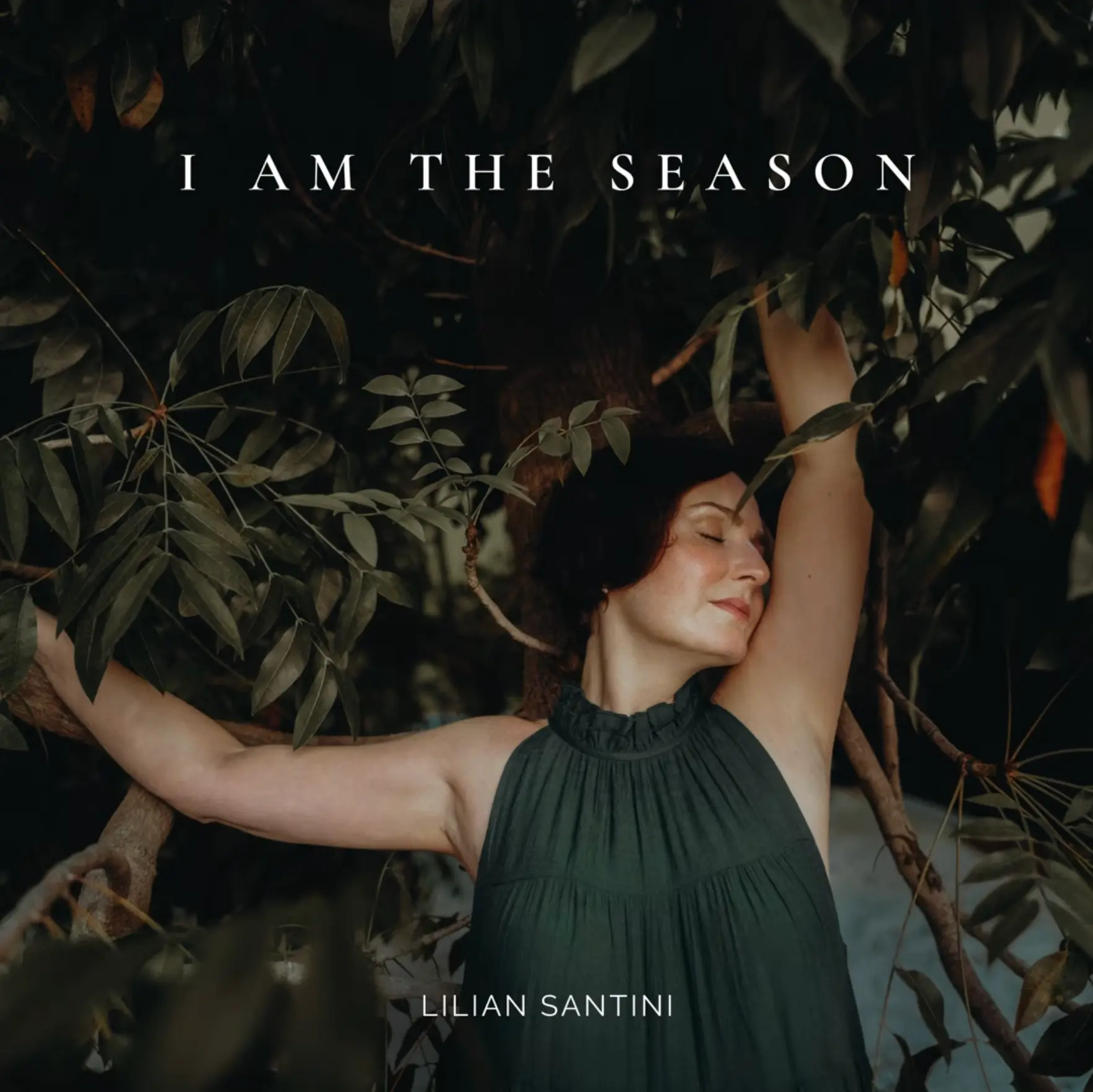
“Come out of the room / it has passed.” The song begins at the threshold of a room where a child has waited too long. It may be a childhood room, but it is also a duration: years spent inside an old fear while life continued elsewhere.
Then the door opens from within. No rescue arrives on command. The girl opens it herself, and the adult who spent a lifetime trying to become worthy of love is finally able to enter.
“Lay down the weight of the medal” is for all the ways I learned to make myself impressive: through competence, usefulness, charm, achievement. It did not feel like performance at the time. It was survival wearing the clothes of personality. But the song offers another kind of love: not something to earn or display, but something that sustains.
In Portuguese, encantar can mean to charm or win someone over; it can also mean to cast a spell. Não precisa me encantar / eu já cheguei encantada holds both meanings: you do not need to perform for my love, and you do not need to change me. I arrived already transformed by you.
The song ends with a promise: pode dormir sem susto / eu fico aqui acordada. You can sleep without being startled. I will stay awake. The child no longer has to keep watch over the adults, the house, or the weather of the room.
The viola caipira carries the sound of the Brazilian countryside and some of the first music I knew. The violin, music box, and violão gather childhood, distance, and return around it. At the end, the words give way to humming, the sound I use in meditation to come back to my body.